
Medellín Uber Drivers and the Weird Side of Colombia Nobody Talks About
Sometimes the most honest conversations happen in the back seat of a beat-up Toyota, heading toward Plaza Botero.

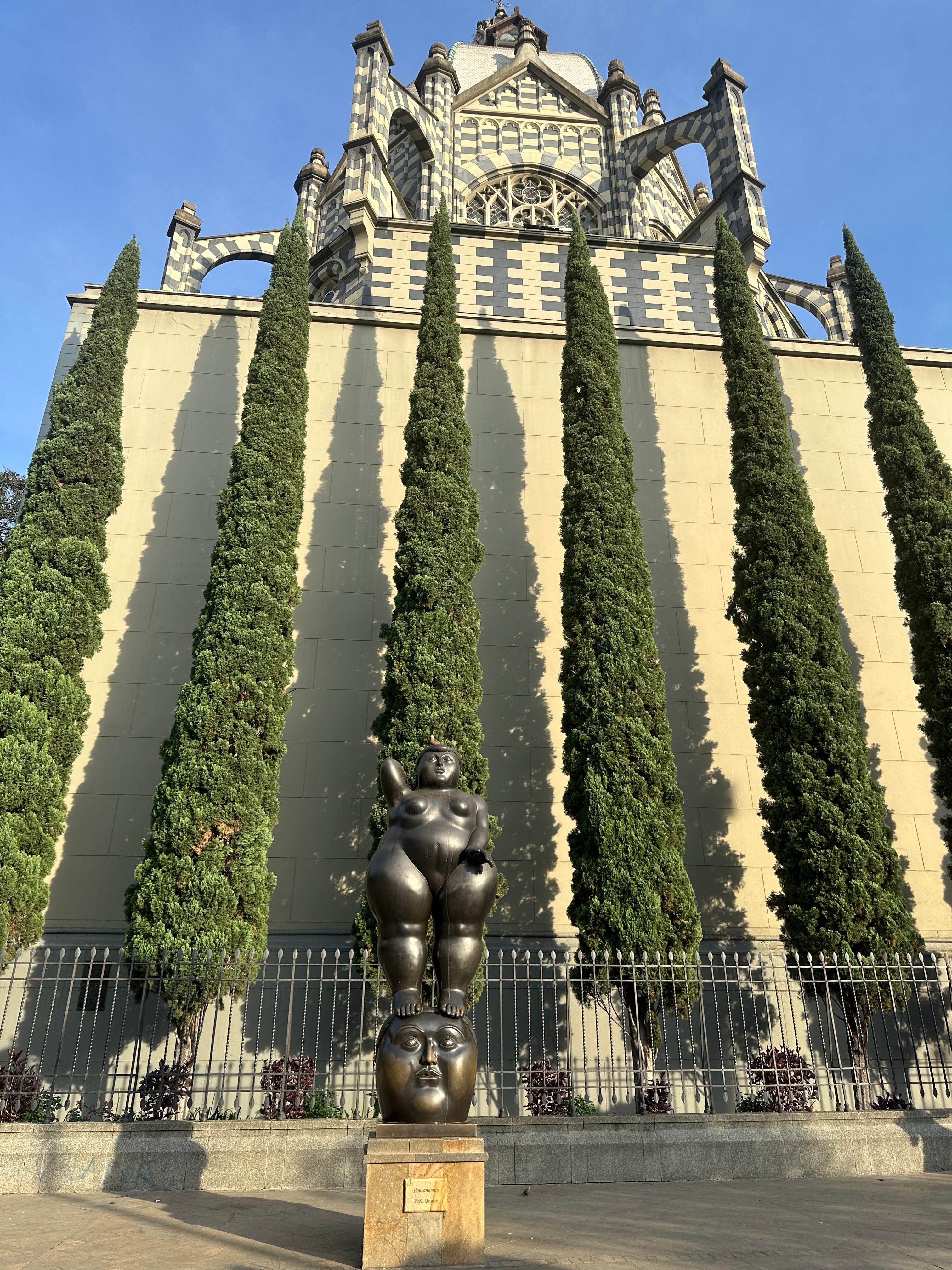
Alright amigos, so I went to Medellín a few months back. Full tourist mode - Guatapé, Piedra del Peñol, Comuna 13, Plaza Botero, all of it. You know how it is when you’re trying to really know a city that’s not yours? You get an Uber and suddenly you’ve got a captive audience, haha. And let me tell you, the drivers there are bored. They want to talk. And that’s where things got weird.
I had two encounters that stuck with me. Both left me thinking, “Que descaro, Colombia. What are we doing?”
The Guy Who Worked for the Devil
First driver. My girlfriend and I hop in, heading somewhere downtown. This guy’s got a sticker on his steering wheel. Not just any sticker - Pablo Escobar. And he’s talking about him. With pride. Like the man was some kind of hero. Like he built hospitals or something
Here’s the kicker: he lived in Santa Marta for a while. My Santa Marta. And get this - he went to San Luis Beltrán. Same school I went to as a kid, parcero. Haha, small world.
Turns out he now runs some of Pablo Escobar’s museums in Medellín - the actual tourist spots that thousands of people visit every year. So when he was talking about “the boss” with that pride, it wasn’t just some guy performing a myth. This is literally his business. His livelihood. That sticker on the steering wheel? That’s his brand.
My girlfriend and I start getting tense. Like, is this guy going to rob us? Is he serious? He’s rattling off crime stories like they’re bedtime tales, counting them like accomplishments. And you can’t tell if he’s bullshitting or if he actually lived that life. So I played along - asked him about Popeye, asked about some German narco I can’t even remember the name of. Real specific questions about the drug trade.
And here’s the creepy part: he wouldn’t answer directly. I’d ask him something straight up - something he should know if he really ran in those circles - and he’d dodge it. Not like he was scared. More like... he was performing. Like he’d curated this whole story about managing Pablo’s museums, protecting them, knowing the criminals. But when you pressed him on details? Nothing.
It was like asking someone “what time is it?” and they respond with “the sky is blue.” You’re sitting there thinking, hermano, that’s not what I asked. But he kept doing it. Over and over. Talking with all this pride about the shopping centers built, about how “the boss” never touched his own product, about robberies at the museums. Showing me chat logs of motorbike thieves who’d robbed tourists at his place. All suggesting he was important.
And honestly? I think he was a good dude. Real friendly. Treated me well because we had the Santa Marta connection. I think he’s gonna do fine in life. But that whole vibe was strange, amigos. He wasn't performing for us exactly. He was just... living inside his own story. This identity he’d built around proximity to something dark.
That’s Colombia, though. That’s how it works sometimes.
The Homeless Industrial Complex
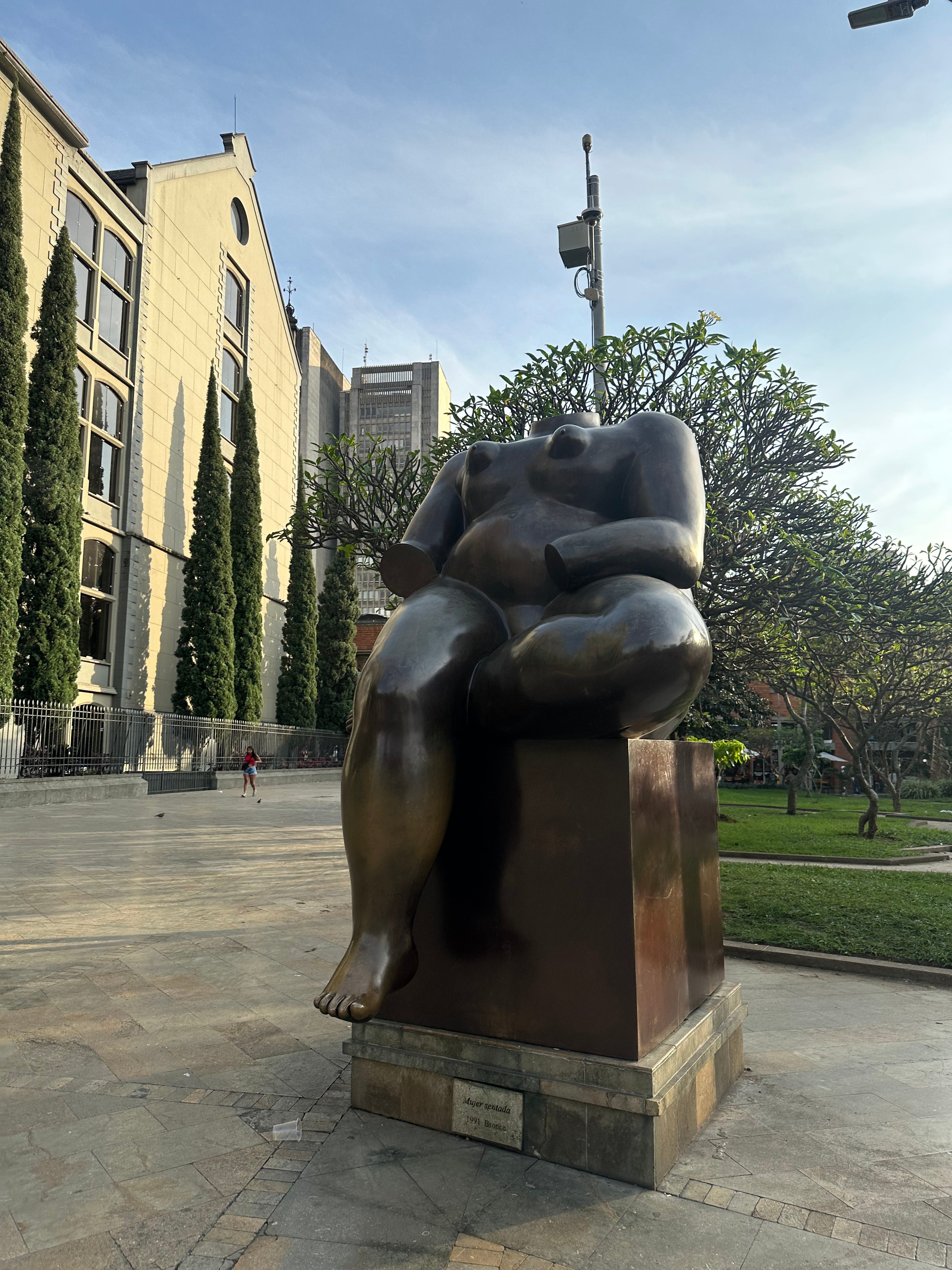
Second driver takes us to Plaza Botero. Different vibe, same weirdness.
This guy explains why Medellín has so many street people: the climate. No, seriously. He says it’s not too hot, not too cold. Perfect for living on the streets, basically. And then - here’s the thing - the city basically encourages it. The mayor’s office sets up these shelters, feeds them, gives them everything. Three meals a day. Drugs. Good weather.
So street people from all over Colombia come to Medellín. Venezuelans, Americans who got hooked, people from other cities who figured out the system. Why work? Why try to change your life? The city’s basically said, “Stay here, we got you.”
And I’m not saying this guy was wrong. I think he was describing something real. Medellín’s got a homeless population that’s actually growing because the conditions are better than anywhere else. The city’s trying to do something humane, which is decent. But the unintended consequence is you’ve created a poverty trap. You’ve made it too comfortable to stay at the bottom.
There’s no incentive to leave. No pressure to push forward. Just three meals, a bed, and whatever escape you want. Bendito Dios, that’s a dangerous combination.
What I’m Getting At
These two rides, back-to-back, showed me something about how we live down here. We’re all kind of performing our lives, no? The guy with the Pablo sticker is performing his connection to power. The homeless system is performing compassion while accidentally building dependency.
And look - I’m not a saint. I make dollars, spend in pesos, and I like cheap beer as much as the next person. But this stuff matters. How we talk about the narcos, how we handle poverty, how we incentivize people to stay stuck.
The craziest part? Both drivers were honest. They weren’t trying to trick me. They were just... describing their reality. The world as they see it.
That’s scarier than an actual robbery, amigos.
Dios te bendiga,
BowTiedColombia